
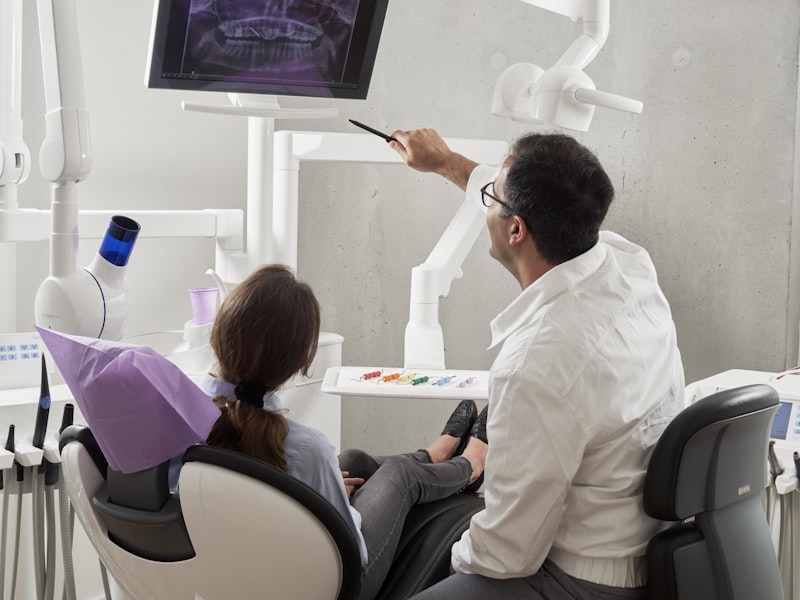
As a dental surgeon with over 30 years of experience caring for families in Ajman, one of the most common questions I hear from parents is: "When should I bring my child to the dentist for the first time?" The answer may surprise you — much earlier than most parents think. Starting dental care early is one of the best investments you can make in your child's lifelong oral health.
Children's dental care is not just about fixing problems — it is about preventing them from ever happening. Baby teeth may be temporary, but they play a critical role in your child's speech development, nutrition, and the proper alignment of permanent teeth. Neglecting them can lead to pain, infection, and costly treatments down the road. Here is everything parents in Ajman need to know about kids dental care.
When Should Your Child First Visit the Dentist?
The general recommendation — and the one I follow at Rashid Medical Centre — is that your child should see a dentist by their first birthday, or within six months of their first tooth appearing, whichever comes first. For most children, this means a first dental visit between 6 and 12 months of age.
I know this sounds early. Many parents assume they should wait until all the baby teeth are in, or until the child is old enough to sit still. But the first visit is not about doing complex treatment — it is about checking that everything is developing normally, catching any early issues, and getting your child comfortable in the dental environment.
- The dentist will check for early signs of decay, especially on the front teeth
- We assess jaw and bite development to flag any alignment concerns early
- Parents receive guidance on cleaning baby teeth, teething, and diet
- The child begins to see the dental clinic as a safe, familiar place — not something to fear
Dr. Manoj's tip: Do not wait for a problem to bring your child in. The first visit should be a positive, pressure-free experience — a "happy visit" that builds trust and familiarity with the dental chair.
Common Dental Problems in Children
Even with the best intentions, children are prone to certain dental issues. Knowing what to watch for helps parents act quickly. The most common dental problems we see in children at our Ajman clinic include:
- Early childhood cavities (tooth decay) — This is by far the most common issue. It is often caused by prolonged bottle feeding, frequent snacking on sugary foods, or inadequate brushing. Cavities in baby teeth can cause pain and infection that affect the permanent teeth forming underneath.
- Nursing bottle caries — When babies fall asleep with a milk or juice bottle, the sugary liquid pools around the front teeth for hours, leading to rapid and severe decay.
- Thumb sucking and pacifier habits — These are normal in infants but can cause bite problems and misalignment if they continue beyond age 3 or 4.
- Gum disease (gingivitis) — Yes, children can develop gum inflammation too, particularly if brushing is inconsistent. Red, swollen, or bleeding gums are warning signs.
- Dental injuries — Active children often chip, crack, or knock out teeth during play. Knowing how to respond quickly can save the tooth.
Dr. Manoj's tip: If your child knocks out a permanent tooth, place it in milk (not water) and come to the clinic immediately. Re-implantation is most successful within 30 minutes of the injury.
Preventive Dental Care for Kids: Sealants and Fluoride
Prevention is always better — and cheaper — than treatment. Two of the most effective preventive measures for children's teeth are dental sealants and fluoride treatments. Both are quick, painless, and highly effective.
- Dental sealants are thin, protective coatings painted onto the chewing surfaces of the back teeth (molars). These surfaces have deep grooves where food and bacteria get trapped, making them highly cavity-prone. Sealants act as a barrier and can reduce cavities by up to 80%. They are recommended as soon as permanent molars come in — usually around age 6 for the first set and age 12 for the second.
- Professional fluoride treatments strengthen the enamel and make teeth more resistant to acid attacks from bacteria. We recommend fluoride varnish treatments every 6 months during routine check-ups. This is especially important for children who are prone to cavities or who drink primarily bottled water (which may not contain fluoride).
Dr. Manoj's tip: Sealants and fluoride are the most cost-effective dental treatments that exist. A sealant that costs a fraction of a filling can protect your child's tooth for years. Ask about these at your child's next visit.
Making Dental Visits Fun and Stress-Free
A child who fears the dentist will grow into an adult who avoids dental care. That is why we take extra care to make every visit at Rashid Medical Centre a positive experience for young patients. Here is what works:
- Start early — Children who visit the dentist from a young age grow accustomed to the sights, sounds, and smells of the clinic before any treatment is needed
- Use positive language at home — Avoid words like "pain," "hurt," "needle," or "drill." Instead, say "the dentist will count your teeth" or "we are going to make your smile sparkle"
- Read books or watch videos about dental visits beforehand — normalise the experience through stories
- Stay calm yourself — Children pick up on parental anxiety. If you are relaxed, your child is more likely to be relaxed too
- Reward bravery, not outcomes — Praise your child for sitting in the chair and being brave, regardless of whether they cried or not
Dr. Manoj's tip: We use a "tell-show-do" approach with children — we explain what we are going to do in simple terms, show them the tools, and then proceed gently. This removes the element of surprise and builds trust.
Early Orthodontic Assessment — When and Why
Many parents assume braces are a teenage concern, but orthodontic assessment should actually begin much earlier. The ideal time for a child's first orthodontic evaluation is around age 7, when the first permanent molars and incisors have come in. At this stage, a dentist can identify developing issues that are much easier to correct early.
- Crowding — If there is not enough space for permanent teeth, early intervention can guide jaw growth and reduce the need for extractions later
- Crossbites and underbites — These are easier to correct while the jaw is still growing
- Protruding front teeth — Early treatment reduces the risk of trauma to these vulnerable teeth
- Harmful habits — Persistent thumb sucking or tongue thrusting can be addressed before they cause lasting damage
Early assessment does not always mean early treatment. Sometimes, we simply monitor and wait. But when intervention is needed, catching it early means shorter treatment, less complexity, and better outcomes.
Dr. Manoj's tip: If your child's baby teeth have no gaps between them, that is actually a sign to watch — it often means there may not be enough space for the larger permanent teeth coming in.
Tips for Parents: Maintaining Kids' Oral Health at Home
What happens at home between dental visits matters just as much as the visits themselves. Here are practical, age-appropriate tips to keep your child's teeth healthy every day:
- Ages 0–2: Wipe your baby's gums with a clean, damp cloth after feeding. Once teeth appear, brush twice daily with a rice-grain-sized amount of fluoride toothpaste and a soft infant toothbrush.
- Ages 3–6: Use a pea-sized amount of fluoride toothpaste. Brush for your child — they lack the motor skills to do it properly until around age 6 or 7. Make it fun with songs or a timer.
- Ages 6+: Supervise brushing until age 8–9. Introduce flossing once teeth touch each other. Encourage rinsing with water after snacks.
- Limit sugary snacks and drinks — Offer water instead of juice, and save sweets for mealtimes rather than between meals
- Never put your child to bed with a bottle of milk, juice, or formula — this is the leading cause of severe early childhood decay
- Lead by example — Brush and floss together as a family. Children who see their parents taking oral health seriously are far more likely to do the same
Dr. Manoj's tip: A good rule for snacking: it is not just what your child eats, but how often. Frequent snacking — even on healthy foods like fruit — keeps acid levels high in the mouth. Aim for structured mealtimes with water in between.
Why Families in Ajman Trust Rashid Medical Centre
For over 25 years, Rashid Medical Centre has been the dental home for families across Ajman, Sharjah, and the surrounding emirates. Parents choose us for their children's dental care because we combine clinical expertise with a genuinely caring, child-friendly approach. Our dental team understands that a child's first experiences at the dentist shape their attitude towards oral health for the rest of their lives — and we take that responsibility seriously.
We offer a full range of children's dental services, including routine check-ups, professional cleanings, sealants, fluoride treatments, fillings, and early orthodontic assessments — all under one roof. Our clinic is conveniently located in the heart of Ajman with easy parking and flexible appointment times to suit busy family schedules.
Whether it is your baby's very first dental visit or your teenager's orthodontic consultation, our team is here to make every experience gentle, thorough, and positive.
Book Your Child's Dental Visit Today
Give your child the gift of a healthy smile. Book a children's dental appointment at Rashid Medical Centre — gentle, expert care for young smiles in the heart of Ajman.
Book an Appointment