

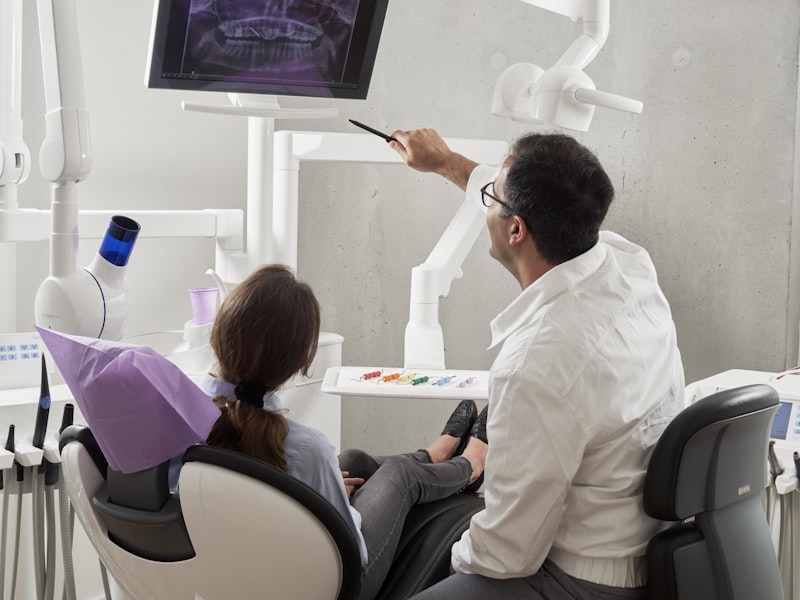
Teeth whitening is one of the most requested cosmetic dental treatments I see at our clinic in Ajman. Patients walk in with the same question: "Can you make my teeth whiter — and is it actually worth the money?" The short answer is yes, professional teeth whitening works. But there is more to it than that. Here is my honest take after 30 years of practicing dentistry.
A bright, white smile is something most people want, yet very few understand what causes teeth to lose their whiteness in the first place — or what the safest and most effective way to restore it is. In this guide, I will walk you through everything you need to know about teeth whitening in Ajman, from why stains happen to what you can realistically expect from professional treatment.
Why Do Teeth Become Stained or Yellow?
Before considering any whitening treatment, it helps to understand why your teeth changed colour in the first place. There are two main types of tooth discolouration:
Extrinsic stains sit on the outer surface of the tooth (the enamel). These are caused by everyday habits — drinking coffee, tea, red wine, or cola; eating deeply coloured foods like berries and curry; smoking or using tobacco; and poor brushing habits that allow plaque and tartar to build up. These stains respond very well to professional whitening.
Intrinsic stains are embedded within the tooth structure itself. They can be caused by certain medications (especially tetracycline antibiotics taken during childhood), excessive fluoride exposure during tooth development, dental trauma, or simply ageing — as enamel thins over the years, the yellowish dentin underneath becomes more visible. Intrinsic stains are harder to treat and may require veneers or bonding rather than whitening alone.
Dr. Manoj's tip: Living in the UAE, many of my patients consume large amounts of coffee, tea, and karak chai daily. These are among the most common causes of surface staining I see in our Ajman clinic. The good news? These are exactly the types of stains that respond best to professional whitening.
Professional Teeth Whitening vs At-Home Kits
This is where I see the most confusion. There are countless whitening products available online and in pharmacies — strips, gels, LED kits, whitening pens, charcoal toothpastes. Some of these products can provide mild improvement, but they come with significant limitations compared to professional treatment.
- Concentration: Over-the-counter products contain very low concentrations of bleaching agents (typically 3–10% hydrogen peroxide). Professional treatments use 25–40% hydrogen peroxide or carbamide peroxide, which is far more effective and applied under controlled, safe conditions.
- Customisation: A dentist evaluates your specific type of staining, checks for cavities or gum issues that need addressing first, and tailors the treatment to your teeth. A generic kit cannot do this.
- Safety: Incorrectly used at-home products can cause gum irritation, uneven whitening, and enamel damage. Professional whitening includes gum protection and careful monitoring throughout the procedure.
- Results: Professional whitening typically achieves 3–8 shades of improvement in a single session. At-home kits usually produce 1–2 shades over several weeks — if they work at all.
- Speed: An in-office whitening session takes about 60–90 minutes. At-home kits require daily use for 2–4 weeks to see noticeable results.
Dr. Manoj's tip: Charcoal toothpastes are heavily marketed as natural whiteners, but they are actually abrasive and can damage your enamel over time. I strongly advise against using them. If you want whiter teeth, see a dentist — do not experiment with products that could cause permanent harm.
Types of Professional Whitening Treatments
At a dental clinic, you will typically encounter two main approaches to professional teeth whitening:
In-Office (Chair-Side) Whitening
This is the most popular option for patients who want immediate, dramatic results. A high-concentration bleaching gel is applied directly to your teeth, and in some cases, a special light or laser is used to accelerate the process. The entire procedure is completed in one visit, usually within 60–90 minutes. You walk out with visibly whiter teeth the same day.
Take-Home Professional Kits
Your dentist creates custom-fitted whitening trays based on impressions of your teeth. You receive a professional-grade whitening gel to use at home, typically worn for 30 minutes to an hour daily over 1–2 weeks. The concentration is higher than anything available over the counter, and the custom trays ensure even coverage and prevent gel from irritating your gums. This is an excellent option for patients who prefer a more gradual approach or want to maintain their results after an in-office session.
What to Expect During a Whitening Session
If you choose in-office whitening, here is what a typical appointment looks like at our clinic:
- Initial assessment: I examine your teeth and gums to ensure you are a suitable candidate. Any cavities, cracks, or gum disease must be treated before whitening.
- Shade matching: We record your current tooth shade so we can measure the improvement after treatment.
- Preparation: A protective barrier is applied to your gums to shield them from the bleaching agent. Your lips and cheeks are also protected.
- Gel application: The whitening gel is carefully applied to the front surfaces of your teeth. Depending on the system used, a light may be positioned to activate the gel.
- Multiple cycles: The gel is typically applied in 2–3 cycles of 15–20 minutes each. Between cycles, the gel is removed and reapplied fresh.
- Final reveal: After the final cycle, the gel and protective barriers are removed, and we compare your new shade against the original. Most patients see a 3–8 shade improvement.
The procedure is painless for most people. Some patients experience mild sensitivity during or after treatment, which typically resolves within 24–48 hours. We recommend using a sensitivity toothpaste for a few days before and after your appointment if you have naturally sensitive teeth.
How Long Do Results Last — and How to Maintain Them
Professional teeth whitening results typically last 1 to 3 years, but this varies greatly depending on your habits. Here are the key factors and maintenance tips:
- Avoid heavy staining foods and drinks for the first 48 hours after treatment — this is when your teeth are most porous and susceptible to picking up colour. No coffee, tea, red wine, berries, turmeric, or tomato-based sauces.
- Do not smoke. Tobacco is one of the fastest ways to undo your whitening results.
- Brush twice daily and floss regularly. Good oral hygiene prevents surface stains from building up.
- Use a whitening toothpaste (with the ADA or equivalent seal) for maintenance — but not charcoal-based products.
- Rinse with water after drinking coffee or tea. This simple habit significantly reduces staining over time.
- Schedule touch-up treatments every 6–12 months if you want to maintain peak brightness. Touch-ups are quicker and less expensive than the initial treatment.
Who Is a Good Candidate — and Who Is Not
Teeth whitening is safe and effective for most adults, but it is not suitable for everyone. Here is an honest breakdown:
Good Candidates
- Adults with healthy teeth and gums who have extrinsic (surface) staining
- People with yellowed teeth due to ageing or dietary habits
- Patients who have realistic expectations — whitening enhances your natural teeth but will not give you an artificial, ultra-white look
- Anyone preparing for a special occasion (wedding, job interview, event) who wants a confidence boost
Not Ideal Candidates
- Pregnant or breastfeeding women — whitening is not recommended during pregnancy or lactation as a precaution
- Children under 16 — the nerve chamber of younger teeth is larger, making them more susceptible to irritation
- Patients with untreated cavities or gum disease — these issues must be resolved first
- People with crowns, veneers, or bonding on front teeth — whitening only works on natural tooth structure. Restorations will not change colour, which could create a mismatched appearance
- Patients with severe intrinsic staining — deep, internal stains may not respond to whitening and may require alternative cosmetic treatments like porcelain veneers
Dr. Manoj's tip: If you have existing dental restorations and want a whiter smile, come in for a consultation first. We can discuss a treatment plan that addresses both your natural teeth and any restorations to achieve a uniform, natural-looking result.
Teeth Whitening at Rashid Medical Centre, Ajman
At Rashid Medical Centre, we have been providing dental care to families in Ajman for over 25 years. Our approach to teeth whitening is the same as everything else we do — thorough, honest, and patient-focused.
When you come in for a whitening consultation, I will assess your teeth, discuss your goals, and recommend the best option for your specific situation. If whitening is not the right fit — for example, if veneers would serve you better — I will tell you that honestly. Our goal is a result you are genuinely happy with, not just a treatment we can bill for.
We are conveniently located in the heart of Ajman and serve patients from across the emirate as well as neighbouring areas including Sharjah. Whether you are looking for professional teeth whitening, a routine check-up, or any other dental treatment, our experienced team is here to help.
Ready for a Brighter Smile?
Book a teeth whitening consultation at Rashid Medical Centre. Dr. Manoj Mathew will assess your teeth and recommend the best whitening option for you — with honest advice and expert care in the heart of Ajman.
Book a Whitening Consultation