If you are missing one or more teeth, dental implants are widely considered the gold standard for tooth replacement. As a dental surgeon who has placed thousands of implants over the past 30 years in Ajman, I can tell you that the technology has come a long way — and today, dental implants are safer, more predictable, and more affordable than most people think.
Whether you have lost a tooth due to decay, gum disease, or an accident, a dental implant gives you something that no bridge or denture can — a replacement that looks, feels, and functions exactly like your natural tooth. In this guide, I will walk you through everything you need to know about getting dental implants in Ajman, from the procedure itself to the cost, recovery, insurance, and how to choose the right clinic.
What Are Dental Implants?
A dental implant is a small titanium post that is surgically placed into your jawbone to act as an artificial tooth root. Once the implant fuses with the bone — a process called osseointegration — a custom-made crown is attached on top. The result is a permanent replacement tooth that is virtually indistinguishable from your natural teeth.
Dental implants consist of three parts:
- The implant post — a biocompatible titanium screw that is placed into the jawbone and serves as the root
- The abutment — a connector piece that sits on top of the implant and holds the crown in place
- The crown — the visible part of the tooth, custom-made from porcelain or zirconia to match the colour and shape of your surrounding teeth
Unlike dentures, implants do not slip or move. Unlike bridges, they do not require grinding down the adjacent healthy teeth. This is why dental implants are considered the most reliable long-term solution for missing teeth — with a success rate of over 95% when placed by an experienced surgeon.
Who Needs Dental Implants?
Dental implants are suitable for most adults who are missing one or more teeth and have adequate jawbone density. In my practice at Rashid Medical Centre, I commonly recommend implants for patients who:
- Have lost a tooth due to decay or infection and want a permanent replacement
- Have had a tooth knocked out in an accident or sports injury
- Are unhappy with removable dentures that feel loose, uncomfortable, or affect their ability to eat and speak
- Have a missing tooth that is causing adjacent teeth to shift, leading to bite problems
- Want to avoid a traditional bridge that requires altering healthy neighbouring teeth
- Are experiencing jawbone loss from a missing tooth — implants stimulate the bone and prevent further deterioration
You may not be an ideal candidate if you have uncontrolled diabetes, are a heavy smoker, or are undergoing radiation therapy to the jaw area. However, many of these conditions can be managed, and we assess every patient individually during the initial consultation.
The Dental Implant Procedure: Step by Step
Many patients are nervous about the implant procedure, but understanding what happens at each stage can ease those concerns significantly. Here is what to expect:
Initial Consultation and Planning
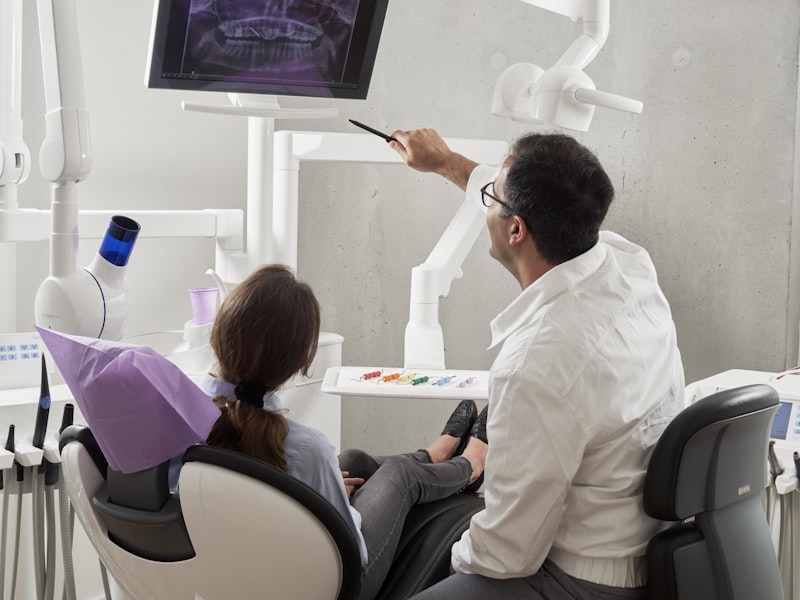
The process begins with a thorough examination, including digital X-rays and, in some cases, a 3D CT scan of your jaw. This allows us to assess bone density, identify the exact placement location, and create a customised treatment plan. We will discuss your medical history, any medications you are taking, and your expectations.
Dr. Manoj's tip: Bring a list of all medications and supplements you are taking to your first consultation. Some medications, such as blood thinners, may need to be adjusted before surgery.
Bone Grafting (If Needed)
If the jawbone has thinned or deteriorated — which is common when a tooth has been missing for a long time — a bone graft may be necessary before the implant can be placed. This involves adding bone material to strengthen the jaw and provide a solid foundation for the implant. The graft typically needs 3 to 6 months to heal before the implant can be placed.
Implant Placement Surgery
The implant post is placed into the jawbone under local anaesthesia. The procedure takes approximately 30 to 60 minutes per implant. A small incision is made in the gum, a precise hole is drilled into the bone, and the titanium post is inserted. The gum is then sutured closed over the implant.
- The surgery is performed under local anaesthesia — you will be fully awake but feel no pain
- For anxious patients, we offer sedation options to ensure complete comfort
- Most patients describe the experience as less uncomfortable than a tooth extraction
Osseointegration (Healing Period)
After placement, the implant needs time to fuse with the jawbone. This critical healing period, known as osseointegration, typically takes 3 to 6 months. During this time, the bone grows around and bonds with the titanium surface, creating an incredibly strong anchor for the final crown.
Abutment and Crown Placement
Once osseointegration is complete, the abutment is attached to the implant, and impressions are taken for the custom crown. The final crown is crafted to match the exact colour, shape, and size of your natural teeth. When it is cemented or screwed into place, the process is complete — you now have a fully functional, permanent tooth.
Recovery Timeline and Aftercare
Recovery from dental implant surgery is typically straightforward. Here is what most patients experience:
- Days 1-3: Mild swelling, bruising, and discomfort around the implant site. Manage with prescribed painkillers and ice packs applied to the cheek (20 minutes on, 20 minutes off).
- Days 3-7: Swelling begins to subside. You can return to normal activities but should avoid strenuous exercise. Stick to soft foods — soups, yoghurt, mashed potatoes, scrambled eggs.
- Weeks 2-4: Most patients feel completely normal. Sutures dissolve or are removed. You can gradually return to your regular diet, avoiding very hard or crunchy foods on the implant side.
- Months 3-6: The osseointegration period. The implant integrates with the bone. Follow-up appointments monitor healing progress.
Dr. Manoj's tip: Do not smoke during the healing period — smoking significantly reduces blood flow to the gums and jawbone, which can cause the implant to fail. If you smoke, this is the single most important thing you can do to protect your investment.
Aftercare Tips for Long-Lasting Implants
- Brush twice daily with a soft-bristled toothbrush — treat the implant like a natural tooth
- Floss daily, using implant-specific floss or an interdental brush around the implant
- Avoid chewing hard items like ice, hard candy, or pen caps
- Attend dental check-ups every 6 months so the implant and surrounding tissue can be monitored
- If you grind your teeth at night, ask your dentist about a night guard to protect the implant crown
Cost of Dental Implants in Ajman
One of the most common questions I receive is: "How much do dental implants cost in Ajman?" The honest answer is that it varies depending on several factors, but here is a general breakdown to help you plan:
A single dental implant in Ajman typically costs between AED 3,000 and AED 6,500. This usually includes the implant post, the abutment, and the crown. However, the final cost depends on:
- Implant brand and material: Premium implant systems from established manufacturers (such as Straumann, Nobel Biocare, or Osstem) cost more but offer proven long-term reliability and warranty
- Bone grafting: If you need a bone graft before placement, this adds AED 1,000 to AED 3,000 to the total cost
- Number of implants: Multiple implants are often priced at a reduced per-unit rate. Full-arch solutions like All-on-4 or All-on-6 have different pricing structures
- Crown material: Porcelain-fused-to-metal crowns are more affordable, while full zirconia crowns offer superior aesthetics and durability at a higher price point
- Complexity of the case: Cases requiring sinus lifts, extractions, or treatment of existing infections will have additional costs
- Surgeon experience: An experienced implant surgeon with a high success rate may charge more, but the long-term value of a well-placed implant far outweighs the initial saving of choosing a less experienced provider
At Rashid Medical Centre, we provide a detailed, transparent cost estimate during your initial consultation — before any treatment begins. There are no hidden charges, and we will walk you through every cost component so you can make an informed decision.
Insurance Coverage for Dental Implants
Insurance coverage for dental implants in the UAE varies significantly between providers and plans. Here is what you should know:
- Enhanced dental plans may cover 50% to 80% of implant costs, subject to annual limits (often AED 5,000 to AED 15,000 per year)
- Basic dental plans often classify implants as a cosmetic or elective procedure and do not cover them
- Some plans cover the crown but not the implant surgery, or vice versa — always check the fine print
- Pre-authorisation is usually required — your dentist submits a treatment plan and X-rays to the insurance company for approval before proceeding
At Rashid Medical Centre, our team assists with insurance pre-authorisation and claims processing. For patients paying out of pocket, we offer flexible payment plans so that cost does not become a barrier to getting the treatment you need.
Why Choose Rashid Medical Centre for Dental Implants in Ajman
Choosing where to get your dental implant is one of the most important decisions you will make — the skill and experience of the surgeon directly impacts the success rate and longevity of your implant. Here is why patients across Ajman, Sharjah, and the northern emirates trust Rashid Medical Centre:
- 30+ years of clinical experience: Dr. Manoj Mathew has over three decades of hands-on experience in general and restorative dentistry, including thousands of successful implant placements
- Comprehensive in-house care: From consultation and X-rays to surgery, crown fabrication, and follow-up — everything is handled under one roof, so you never need to visit multiple clinics
- Premium implant systems: We use internationally recognised implant brands with proven track records and manufacturer warranties
- Patient-first approach: Every treatment plan is personalised. We take the time to explain every option, answer every question, and ensure you are fully comfortable before proceeding
- Transparent pricing: No hidden fees. You receive a complete cost breakdown before treatment begins
- Convenient location: Located in the heart of Ajman with easy access from Sharjah, UAQ, and other northern emirates
- Over 25 years serving the community: Rashid Medical Centre is one of Ajman's longest-established healthcare providers, trusted by thousands of families
The Bottom Line
Dental implants are a life-changing investment in your oral health, confidence, and quality of life. They are the closest thing to getting your natural tooth back. If you are considering dental implants in Ajman, the most important step is to get a proper consultation with an experienced dental surgeon who can evaluate your specific situation and provide an honest, transparent assessment.
At Rashid Medical Centre, we have been helping patients restore their smiles for over 25 years. Whether you need a single tooth implant or a full-arch restoration, Dr. Manoj Mathew and our dedicated dental team are here to guide you through every step of the journey — with expertise, care, and complete transparency.
Ready to Explore Dental Implants?
Book a free initial consultation with Dr. Manoj Mathew at Rashid Medical Centre. We will assess your case, explain your options, and provide a detailed cost estimate — with no obligation.
Book Your Consultation