In my 30 years of practicing dentistry in Ajman, the most common thing I hear from patients is: "I wish someone had told me this earlier." The good news? Maintaining healthy teeth and gums does not require expensive treatments or complicated routines — just a few consistent daily habits.
Most dental problems — cavities, gum disease, tooth sensitivity — are preventable. They develop gradually, often silently, and usually because of small daily habits we do not pay attention to. Here are the five habits I recommend to every patient who walks through our door at Rashid Medical Centre.
Brush Correctly — Twice a Day, Every Day
This sounds obvious, but most people brush incorrectly. Brushing too hard or too fast does more harm than good — it wears down enamel and damages your gums without removing plaque properly.
- Use a soft-bristled toothbrush — hard bristles damage gum tissue over time
- Brush for a full 2 minutes — most people stop at 30–40 seconds
- Hold your brush at a 45-degree angle to your gums and use gentle circular strokes
- Brush your tongue — it harbours bacteria that cause bad breath
- Replace your toothbrush every 3 months, or sooner if the bristles are frayed
Dr. Manoj's tip: Brush last thing before bed — this is the most important brush of the day. Saliva flow slows at night, leaving teeth more vulnerable to acid from food residue.
Floss Daily — No Exceptions
Your toothbrush only cleans about 60% of your tooth surfaces. The spaces between teeth are where the majority of cavities and gum disease actually begin. Flossing reaches these areas.
- Floss once a day, ideally before bedtime
- Use about 40–45 cm of floss — work with a fresh section for each gap
- Slide gently between teeth and curve around each tooth in a C-shape
- If traditional floss is difficult, use interdental brushes or a water flosser — both are excellent alternatives
Dr. Manoj's tip: If your gums bleed when you floss, do not stop — bleeding gums are usually a sign of early gum inflammation that actually gets better with regular flossing within 2–3 weeks.
Watch What You Drink
What you drink has a surprisingly large impact on your teeth. In the UAE, we see a lot of damage caused by soft drinks, energy drinks, and even excessive citrus juices — all of which are highly acidic.
- Water is your best friend — especially fluoridated water, which strengthens enamel
- Limit soft drinks, energy drinks, and sports drinks — they contain acids that erode enamel even if they are sugar-free
- If you do drink something sugary or acidic, use a straw to reduce contact with teeth
- Wait at least 30 minutes after eating or drinking before brushing — acids temporarily soften enamel
- Coffee and tea can stain teeth over time — rinse with water after drinking
Dr. Manoj's tip: Milk and plain water are the only two drinks that are genuinely safe for your teeth at any time of day. Everything else should be had in moderation.
Use a Fluoride Toothpaste — and Do Not Rinse Immediately
Fluoride is the single most effective ingredient for preventing tooth decay. It strengthens enamel and reverses early-stage damage before it becomes a cavity. Yet many people either use fluoride-free toothpaste or undo its benefits by rinsing right after brushing.
- Choose a toothpaste with at least 1,000–1,500 ppm fluoride — this is standard in most adult toothpastes
- After brushing, spit — do not rinse with water. Let the fluoride stay on your teeth for maximum protection
- For children under 3, use a rice-grain size amount; for children 3–6, a pea-sized amount
- If you are prone to cavities, ask your dentist about a high-fluoride prescription toothpaste
Dr. Manoj's tip: The "spit, don't rinse" habit is one of the most impactful changes you can make — yet almost nobody does it. Try it for one month and you will see a noticeable difference in tooth sensitivity and strength.
Visit Your Dentist Every 6 Months — Even When Nothing Hurts
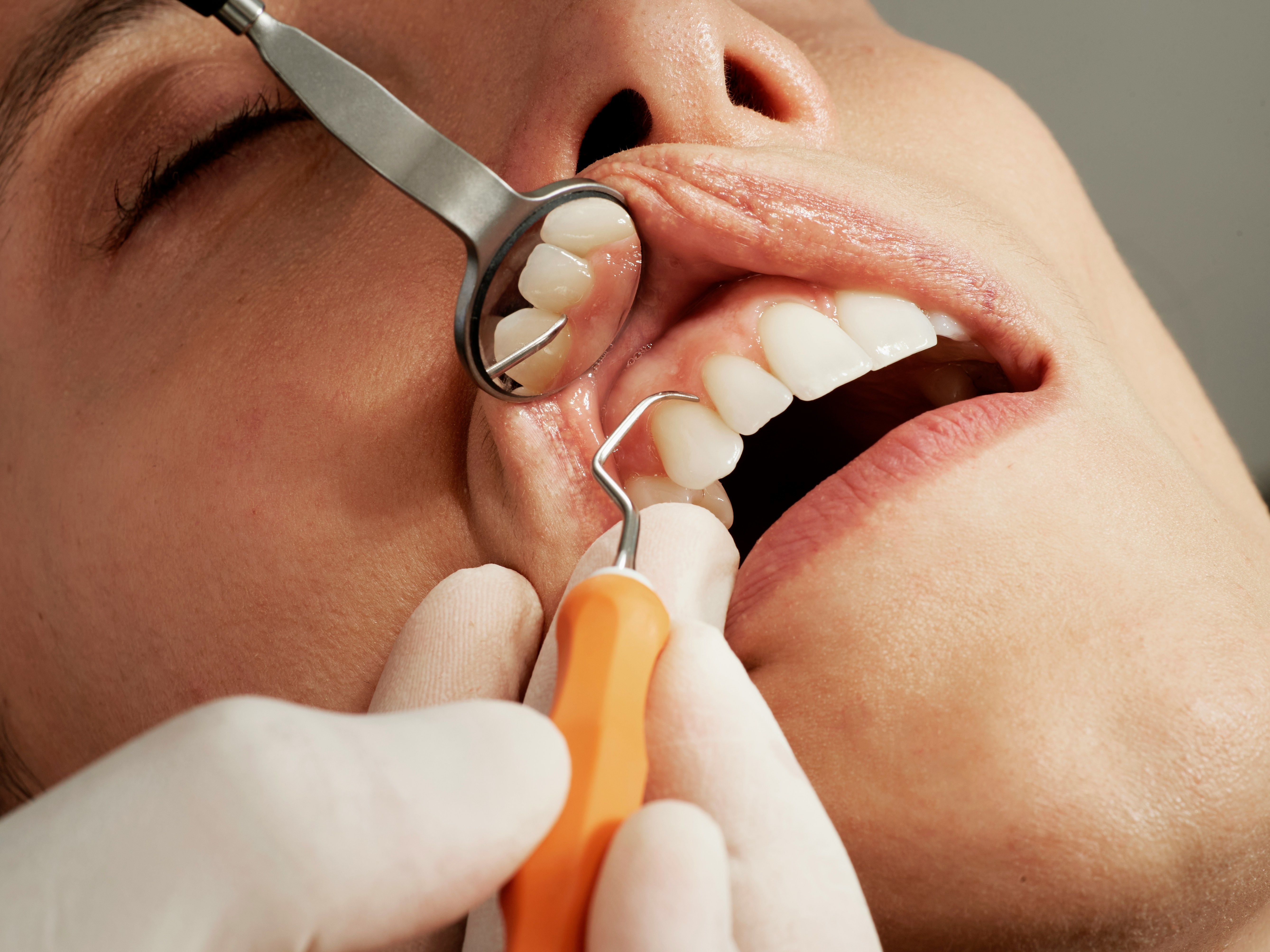
This is the most important habit of all — and the one most people skip. Dental problems are almost always painless in their early stages. By the time you feel pain, the problem has usually progressed significantly and treatment becomes more complex and costly.
- A routine check-up every 6 months catches cavities, gum disease, and oral issues early
- Professional cleaning removes tartar that brushing and flossing cannot — hardened tartar can only be removed by a dentist
- Early detection means simpler, less expensive treatment — a small filling today versus a root canal tomorrow
- For children, check-ups every 6 months from the first tooth establish good habits and catch alignment issues early
Dr. Manoj's tip: Think of a dental check-up the same way you think of a car service — you do not wait for the engine to fail before going to the mechanic. Prevention is always cheaper than repair.
A Word About Dental Health in the UAE
Living in a hot climate like the UAE, we tend to drink more cold beverages — many of which are acidic or sugary. This, combined with busy lifestyles that sometimes make dental visits feel like a low priority, means we see many patients with preventable problems. The habits above take less than 10 minutes of your day combined, yet they can save you years of dental problems and significant cost.
Whether you are in Ajman, Sharjah, or the surrounding emirates, I encourage you to make these five habits non-negotiable — for yourself and your family.
The Bottom Line
Good dental health is built in the bathroom sink every morning and evening, not in the dental chair. But when you do need professional care — for a check-up, a cleaning, or any dental concern — our team at Rashid Medical Centre is here to help. We have been serving families in Ajman for over 25 years with gentle, expert care.
Ready for Your Check-up?
Book a routine dental appointment at Rashid Medical Centre. Our team is here to keep your smile healthy — with gentle, expert care in the heart of Ajman.
Book an Appointment